Editorial
Alexei Navalny died on 16 February in a Russian prison near the Arctic Circle. In our January newsletter, we dedicated an article to him, looking back at his story and Amnesty International's commitment. Piazza del Campidoglio in Rome and other squares across Italy and abroad paid tribute to him, remembering his courage in condemning Putin's corrupt regime and in hoping, to the very end, for a free Russia.
In Yemen, the civil war has been going on for more than nine years. Compounding the humanitarian and economic crisis linked to the conflict, there is a healthcare crisis as well as the fallout from climate emergencies. Amnesty International's latest report documents serious human-rights violations against the entire civilian population.
How important is the link between sport and human rights? The commitment of men and women who, individually or with their teams, voice messages of solidarity, raise awareness, or dissent against human-rights violations can have a major impact on civil society and institutions. At the same time, sportswashing fosters illusions about countries that seek to project a positive image through sporting events, while concealing brutal regimes and repeated rights violations.
6 February marks the International Day of Zero Tolerance for Female Genital Mutilation. It is a practice that remains widespread today, which, beyond depriving women of their right to freedom and self-determination in their sexual lives, exposes them to severe health risks.
If you enjoy our newsletter, please share it and invite anyone you like to subscribe by clicking on the link at the bottom of the page.
The death of Alexei Navalny extinguishes hopes for a free and democratic Russia
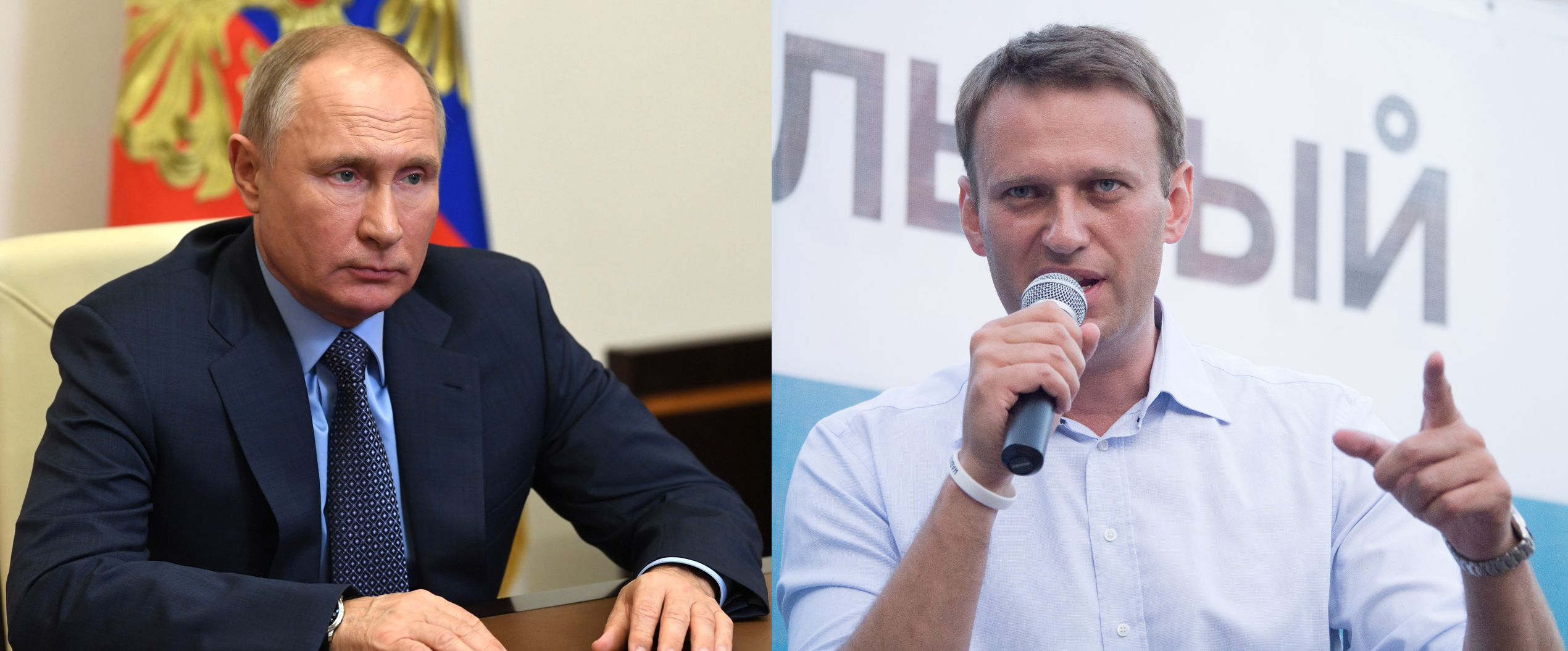
The news we hoped never to receive arrived on the morning of 16 February 2024. TV, radio, newspapers and social-media channels broke the news of Alexei Navalny's death, which occurred “after suddenly feeling unwell” while detained in a prison in northern Russia.
The news shocked not only the general public, but also politicians and representatives of Italian and international institutions, who did not hesitate to publicly voice doubts about the natural causes of his death. Initial reactions pointed the finger at Putin's regime, held responsible for Navalny's death, alongside the failed poisoning attempt in 2020.
Navalny's story ends with the bitterest defeat for Putin's most resilient opponent, sending two important messages: Putin's system eliminates political opponents while dodging all responsibility through deceptive and superficial statements; and the crackdown on dissent is sliding towards repressing any kind of action not welcomed by the Russian government. Proof of this lies in the arrests of Russian citizens simply for paying tribute to Navalny's memory by laying flowers or lighting candles in public spaces as a sign of solidarity. Suspicions regarding the Russian government's responsibility for Navalny's death are reinforced by its deeply murky conduct in the aftermath, including the refusal to hand over the body to his family.
Agnès Callamard, Secretary General of Amnesty International, stated: “There must be no doubt. Navalny’s death was caused by the Russian authorities. Sooner or later the truth will come out, and those responsible must be brought to justice. In attempting to hide the evidence of their crimes, the Russian authorities are inflicting further suffering and ill-treatment on Navalny’s family and loved ones.”
Amnesty International has followed Navalny's story since the first violations of his rights, expressing deep concern following the poisoning incident, condemning his unjust imprisonment, right up to recent months when all trace of him was lost, only to learn of his transfer to a maximum-security prison over 200 km from Moscow. Navalny is remembered not only for his investigations uncovering the corruption of the Russian authorities, but also for his tenacity and courage in persevering in his fight, choosing to return to Russia after being poisoned despite knowing full well the risks he would face.
Navalny's ordeal and the squares lit up with candles in his memory should stir consciences and draw governments' attention to all individuals at risk, including political dissidents and journalists unlawfully detained in prisons.
Furthermore, reports have recently emerged of negotiations under which Navalny was to be released in exchange for the release of a former Russian security service operative serving a life sentence in Germany for the assassination of a Chechen separatist. Apparently, something went wrong in the talks, prompting Putin to order Navalny's elimination.
The tragic conclusion to Alexei Navalny's story must not halt efforts to condemn the harsh crackdown on dissent and, more broadly, on freedom of expression, which faces constant threats not only in the Russian Federation.
Yemen: 9 years of humanitarian crisis and armed conflict
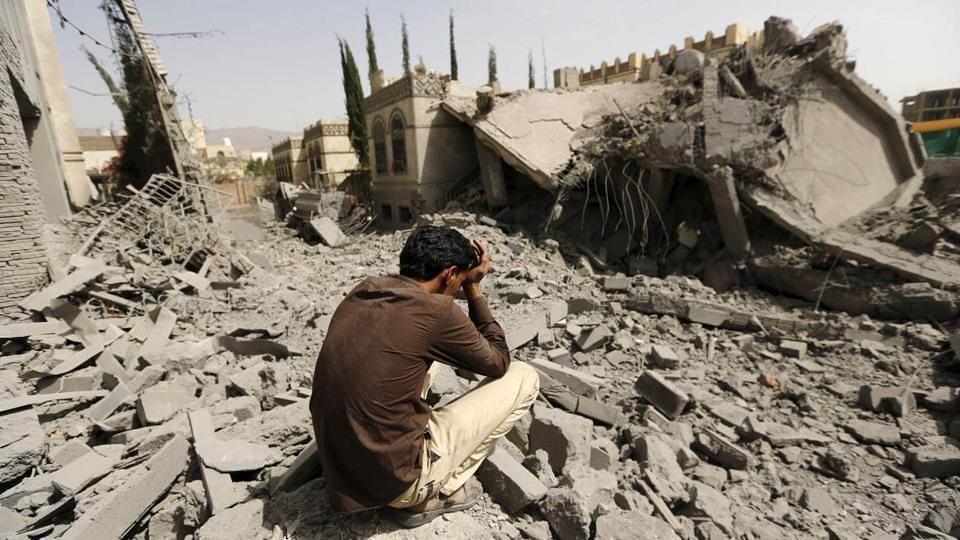
11.1 million children in need of humanitarian assistance, 21.6 million people affected by the conflict, 504,000 children at risk of death from severe malnutrition, unrecognised rights, denial of humanitarian access, attacks, killings, and environmental degradation. Nine years after the conflict began, Yemen remains the scene of some of the world's most severe emergencies.
The civil war in Yemen began on 16 September 2014, when the Shia Muslim Houthi rebel movement seized control of the northern province of Saada and surrounding areas, forcing President Abdrabbuh Mansour Hadi into exile abroad. In March 2015, the conflict erupted dramatically when Saudi Arabia and eight other states, backed by the international community, launched air strikes against the Houthis with the declared aim of restoring Hadi's government.
Humanitarian crisis and economic collapse have defined recent years for the settled population in Yemen. Indeed, there have long been severe shortages of food, safe drinking water, sanitation, healthcare, livelihoods, and basic commodities.
Outbreaks of diseases such as cholera, measles, and diphtheria are also widespread, compounding the already precarious conditions of a population struggling with floods, drought, and rampant child malnutrition.
The US and British strikes of 12 and 13 January 2024 have made managing the emergency even more complicated for humanitarian aid workers, who have spent years trying to find viable solutions to alleviate the impact of the crisis.
In an already tense environment, the lack of basic goods is accompanied by the denial of rights. Among the latest developments is the case of 40 people sentenced to death, flogging, or imprisonment by two Houthi courts for offences related to homosexual conduct. Amnesty International intervened, with its Regional Director for the Middle East and North Africa, Grazia Ceracchia, issuing an appeal: “The Huthi authorities must immediately quash these sentences and drop all charges related to sexual orientation, gender identity, or freedom of expression,” describing the verdicts as deeply disturbing.
According to Amnesty International's 2022/23 report, threats and harassment against those peacefully exercising their right to freedom of expression continue in Yemen. The warring parties restrict movement and aid delivery, including through denials or delays in issuing travel permits. Any form of redress and justice for victims of human-rights abuses and violations is denied. For young women, the mahram (male guardian) requirement prevents them from travelling within Houthi-controlled governorates or to other parts of Yemen without being accompanied by a male guardian or providing written proof of his permission. The environment has also been severely impacted by the crisis: fuel shortages have forced people to rely on firewood, driving an environmentally damaging energy pattern that is contributing to deforestation and biodiversity loss.
Restrictions, torture, sexual violence, threats, and harassment continue to fuel the grave humanitarian crisis exacerbated by the ongoing conflict. Amnesty International and the international community are pleading for a ceasefire and continue to work in the areas of education, child protection, vaccinations to curb disease, and the safeguarding of fundamental rights.
Sport and human rights

The importance of sport in society has been recognised since the ancient Olympic Games. As acknowledged by the OHCHR (the Office of the United Nations High Commissioner for Human Rights), sport is inherently a powerful tool contributing to the advancement of human rights. It promotes equal opportunities, fosters inclusion, provides a platform for different cultures to meet, brings together generations—especially young people—and the messages it conveys swiftly reach millions of people with enduring power.
Notable examples include: the raised, gloved fists in the Black Power salute by American athletes Tommie Smith and John Carlos at the 1968 Mexico City Olympics; the protest by American football player Colin Kaepernick, who knelt during the national anthem before NFL (National Football League) games to spotlight systemic racism in his country; and Premier League footballers taking the knee against discrimination, a stance also adopted by the England national team at Euro 2020 and the Qatar World Cup in support of BLM (Black Lives Matter). Another remarkable testament to the role sport can play in a community was the 1995 Rugby World Cup, won by a South Africa freshly emerged from apartheid and led by its first Black president, Nelson Mandela, who was working to build an inclusive, multiracial nation after decades of bloody struggle.
Amnesty International is keenly aware of this and reinforces it through dedicated campaigns and events highlighting the close bond between sport and human rights, such as the “Corsa di Miguel” (Miguel's Race), a running event commemorating Miguel Benancio Sánchez, the Argentine marathon runner and activist who was disappeared during the 1970s dictatorship.
The power of sport as a vehicle for values—capable of speaking a universal language understood by people of all backgrounds and walks of life—is also grasped by states whose agendas run entirely counter to human rights.
One need only recall Nazi Germany and the 1936 Berlin Olympics, which Hitler intended as a showcase for the regime's efficient authority. Another example is the systematic, large-scale doping by the Soviet Union during the Cold War, as demonstrated by their plans for the 1984 Los Angeles Olympics.
Today, a similar pattern unfolds with sportswashing, a practice used notably by Persian Gulf Arab states such as the United Arab Emirates, Saudi Arabia, and Qatar. They attempt to project a positive image by hosting major football tournaments and luring top global players with wages far exceeding European market standards. The objective is to quell criticism over human- and labour-rights standards, as recently highlighted by Riccardo Noury, spokesperson for Amnesty International Italy.
The risk they run is somewhat reminiscent of the situation Hitler faced in 1936, when he was forced to award medals to the legendary African American champion Jesse Owens, who won four gold medals in four different events, achieving one of the greatest feats in modern Olympic history right before the eyes of those seeking to demonstrate Aryan superiority.
The 2022 FIFA World Cup hosted by Qatar was a showcase for the emirate, but also an opportunity to expose the kafala system and the exploitation of migrant workers who built the state-of-the-art stadiums, as repeatedly stressed by Amnesty International.
Furthermore, the effect that signing high-profile footballers—who serve as role models, especially for young people—might have on local public opinion warrants reflection. It will not always be possible to suppress independent thought, as shown by Saudi club Al-Ettifaq's actions regarding the rainbow armband worn by Jordan Henderson, the former Liverpool captain and longtime LGBTQ+ advocate who joined the Dammam side last year.
International Day of Zero Tolerance for Female Genital Mutilation
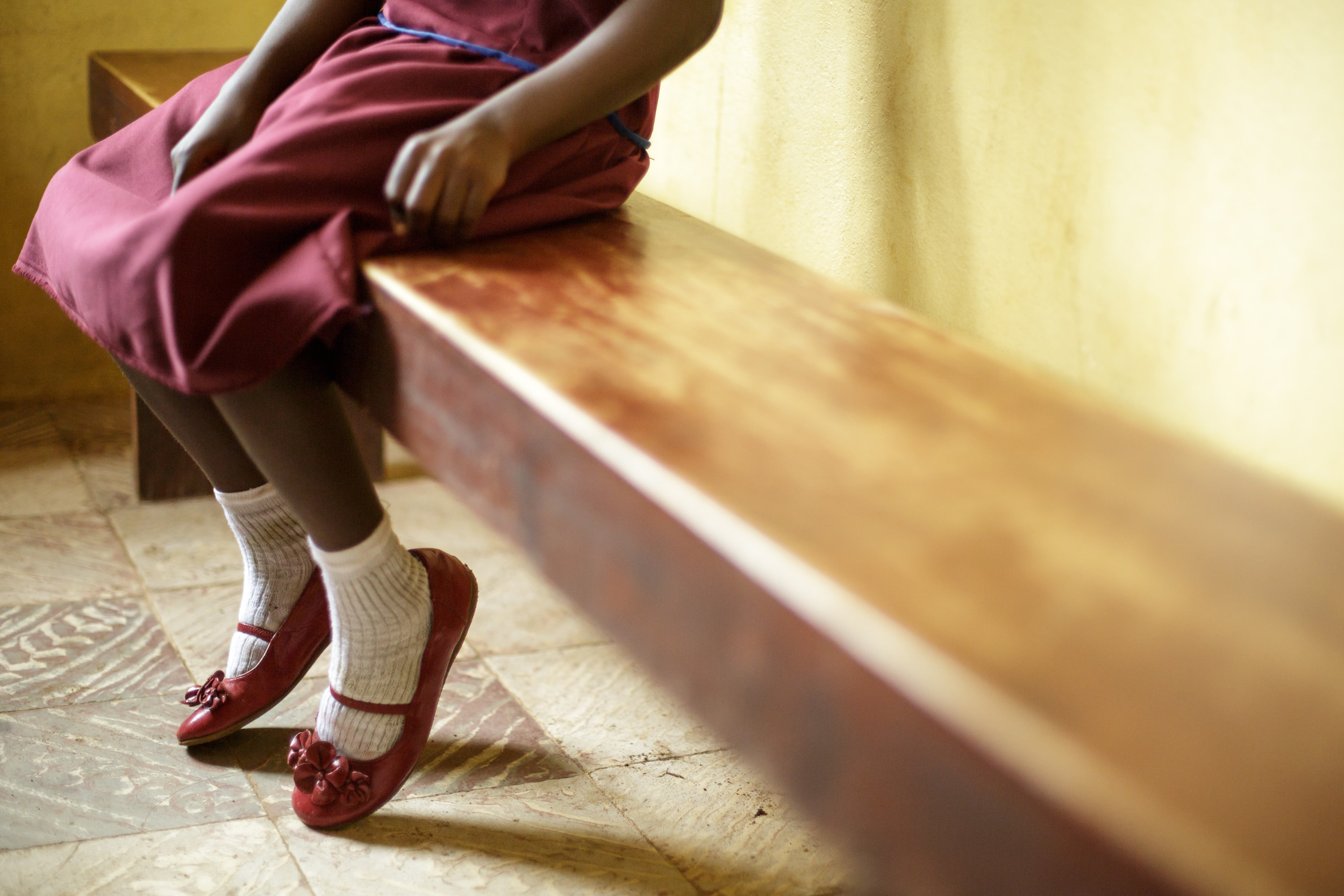
Three and a half years. That is how long it takes for New York's JFK Airport, one of the busiest in the world, to see 210 million travellers pass through—equal to the number of victims of genital mutilation. This abhorrent practice violates every human right: in addition to long-lasting physical harm, the resulting psychological trauma can hinder the development and social standing of those subjected to this abuse. Indeed, local traditions often mandate mutilation during childhood or adolescence, restricting girls' growth and undermining the achievement of gender equality.
Female genital mutilation is not an issue far removed from us. Several ethnic minorities living in Italy also continue this practice: out of a total of 80,000 underage girls, approximately 20% are at risk of undergoing mutilation, primarily among communities from Egypt, Senegal, Nigeria, and Guinea. In line with EU directives, the Italian state addressed the issue through Law 7/2006, under which the act is considered a criminal offence even when committed abroad, punished under general child protection provisions. In addition, Legislative Decree 251/2007 recognised the right to asylum for anyone at risk of undergoing mutilation or who has already undergone it. To put this in perspective, Eurostat estimated in 2016 that in a sample of around 900 female asylum seekers, 9% were at risk.
Given the vast scale of this phenomenon, understanding its root causes is essential. In most countries, the practice is tied to local culture: mutilation is viewed as a rite of passage into adulthood, a mandatory milestone that cannot be avoided. This mindset creates a mechanism of control over women's sexuality, forcing them to undergo the practice largely due to the widespread belief that it diminishes sexual desire and thereby reduces the risk of adultery. Some communities also carry it out for purported hygienic reasons, going so far as to view external female genitalia as dangerous to a newborn during childbirth, even capable of causing death.
These beliefs focus on unfounded risks to the unborn child while disregarding the health of the woman or girl, who faces severe consequences including the risk of death. The use of unsterilised, inadequate tools by untrained individuals leads to abscesses and tumours, as well as urinary and reproductive tract infections, sometimes causing infertility. A woman who has undergone mutilation may also be more vulnerable to manipulation, as she associates the shock of the trauma and all its repercussions with an abuse she was forced to endure.
Such a complex and grave phenomenon has prompted states worldwide to take action to eradicate it. In particular, through Resolution 67/146 in 2012, the UN General Assembly unanimously designated 6 February as the International Day of Zero Tolerance for Female Genital Mutilation, represented today by a purple dandelion—a symbol of denied freedom.

View original email version
Did someone send you this link? Get it every month
Subscribe to Diritti al Punto: the next issue straight to your inbox.
Check your inbox
We have sent you a confirmation link. Click the button in the email to complete your subscription. The link is valid for 7 days.
Can't see the email? Check your spam and promotions folders, or.