Issue 21 of 24 · 31 March 2024

Diritti al punto - March 2024

Dear readers, Ilaria Salis has been held in a Hungarian prison since February 2023, accused of assault for allegedly attacking demonstrators during the parade...

Editorial

Editorial

Ilaria Salis has been held in a Hungarian prison since February 2023, accused of assault for allegedly attacking demonstrators during the annual parade in Hungary that brings together far-right sympathisers and neo-Nazis. Ilaria’s detention conditions are a cause for concern, as they blatantly violate human rights and fundamental principles regarding detention. Amnesty International Italy has called on the Italian government to intervene so that Hungary respects the rights of people deprived of their liberty and to enable her detention to be served in Italy.

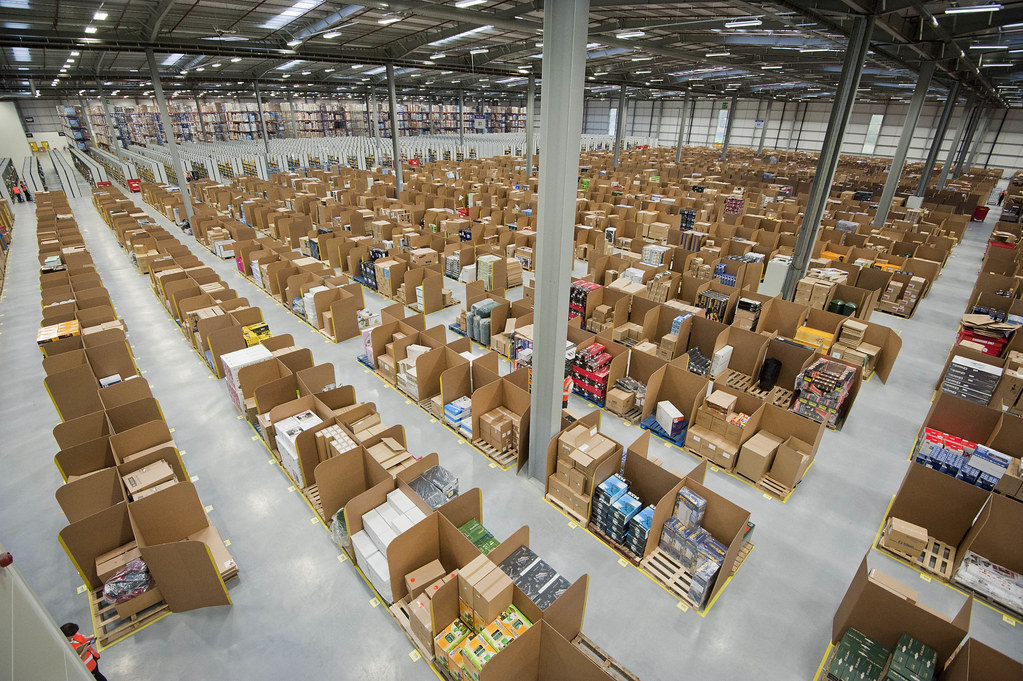
In October 2023, Amnesty International published a report exposing the exploitation and deceptive conditions experienced by Amazon employees in Saudi Arabia. The research, backed by workers' testimonies, highlighted serious human-rights violations committed by the retail giant and led to the company being ordered to pay substantial sums in compensation.

Bocconi University in Milan introduced a "gender-neutral" bathroom, which drew discriminatory comments from some students. The University responded with disciplinary action against the authors of the comments. The case reflects, on the one hand, a drive towards near-innovative forms of protection and equal rights for transgender people, while on the other exposing cultural backwardness and discriminatory impulses among a young cross-section of society.

In the Democratic Republic of the Congo, mass evictions are under way to expand copper and cobalt mines—the raw materials powering our smartphones, computers, electric cars and bicycles. The energy transition must be just and avoid putting profits before rights. To protect the health and rights of the people of the DRC, Amnesty International has launched an appeal; all that is missing is your signature.

If you enjoy our newsletter, please share it and invite anyone you wish to subscribe by clicking on the link at the bottom of the page.

Article 1

Ilaria Salis, detention conditions on the brink of fundamental rights in Orbán's "European" Hungary
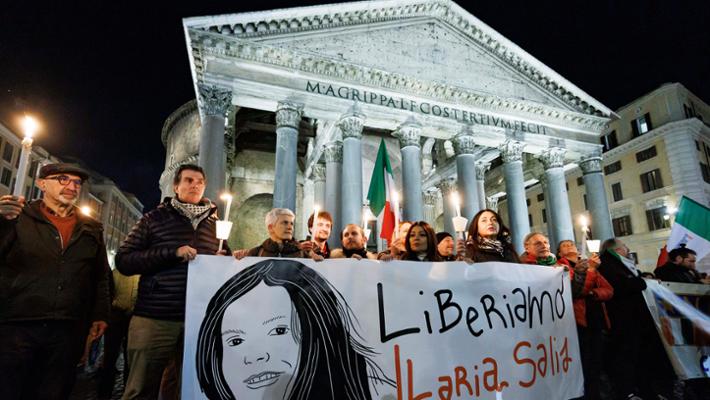
For several months now, much has been heard about the case of Ilaria Salis, an Italian 39-year-old primary school teacher from Monza, held in prison in Hungary since February 2023 on charges of aggravated assault against several demonstrators during a public demonstration.

Ilaria Salis describes herself as an anti-fascist; a History graduate from the University of Milan, she has always been passionate about social causes and political engagement. In February 2023, she was in Budapest to counter the demonstration that gathers neo-Nazi groups and commemorates the annual "Day of Honour". On this occasion, right-wing extremists and neo-Nazis from across Europe mark the failed attempt by German and Hungarian Nazi troops to break the Soviet siege of the city in 1945. Regarding this event, on 21 February the European Parliament submitted a parliamentary question to the Commission, raising first the issue of the Hungarian government's questionable inability to impose an effective ban on the event, given that it constitutes a clear violation of Hungarian law. Secondly, the European Parliament explicitly asked the Commission for clarification on the alleged allocation of public funds to support neo-Nazi and far-right propaganda organisations holding demonstrations in stark contrast to European values. Indeed, several reports reveal that the Hungarian association for tourism and heritage preservation, which organises a Nazi commemorative event called "Kitörés", has received national subsidies.

The accusation against Ilaria Salis is that she took part in clashes during the march and assaulted two demonstrators. Doubts have already been raised regarding her arrest, which did not occur in flagrante delicto, but several hours later, without access granted to CCTV footage as requested by her defence lawyers. The concerns raised regarding Ilaria Salis's case essentially relate to her detention conditions. Setting aside the grounds of the indictment, Ilaria Salis's prison and procedural conditions raise significant concerns. During most of the hearings in her trial, she appeared in court with hand and foot shackles; during her detention, she did not receive necessary medical care, nor was she provided with an interpreter from the outset. Furthermore, in the written account she authored from prison, Ilaria Salis revealed that she was forced to wear soiled clothes, deprived of personal hygiene products, clean clothes and underwear, kept in an inadequately ventilated cell infested with bedbugs and cockroaches, and prevented from communicating with her family for over six months. Such treatment and conditions violate European legislation and international conventions on prison conditions, as they undermine human rights. Hungary has been an EU member state since 2004 and, as such, is obliged to align its domestic legal system with binding European legal sources; it has also ratified the main treaties on human rights protection, including the 1984 Convention against Torture. Underlying all of this, European Union membership presupposes adherence to democratic values and the Union's fundamental principles, including liberty and respect for human rights.

Among the core principles set out in the Recommendation of the Committee of Ministers of the Council of Europe on the European Prison Rules, it is established that persons deprived of their liberty must be treated with respect for human rights. Specifically, in respect of human dignity and the right to privacy, guaranteeing the necessary standards of health and hygiene, clean clothing in good condition, and ensuring access to legal assistance, communication as frequent as possible with family members, and the right to receive visits.

Amnesty International Italy has addressed a request to the Meloni-led Italian government, raising concerns about Ilaria Salis's situation and the deprivation of fundamental rights, as well as requesting that precautionary measures be carried out in Italy. Riccardo Noury, spokesperson for Amnesty International Italy, voiced concern in an interview that Ilaria Salis's trial might be unfair and irregular, pointing to the need to resort to judicial cooperation instruments that could lead to house arrest in her country of residence, namely Italy.

Unfortunately, recent developments are not promising: at the latest hearing, held on 28 March, Ilaria Salis appeared in the courtroom once again handcuffed and shackled at the ankles, and the session concluded with the court rejecting her lawyers' request for house arrest in Hungary. Ilaria Salis therefore remains in prison.

The Salis case caused some initial friction in bilateral relations between Italy and Hungary; nevertheless, Italy cannot back down when it comes to rights, and above all must demand that they be guaranteed, all the more so when responsibility lies with an EU member state.

Article 2

Don't Worry, It's an Amazon Branch

In October 2023, Amnesty International published a report entitled "Don't Worry, It's an Amazon Branch" to expose the exploitative conditions and deceptive practices experienced by workers in Amazon warehouses in Saudi Arabia. The report is based on the accounts of twenty-two former workers who said they were forced to pay substantial sums of money to recruitment agents to secure employment, deceived by promises of stable, direct employment with Amazon. Instead, their hiring led to labour exploitation and violations of fundamental rights, such as rest and the right to health. Furthermore, the report shows that both Amazon and the Saudi government were fully aware of the ongoing exploitation, which effectively culminated in a form of captivity. Their contracts barred workers from changing jobs without their employer's consent, thereby restricting their freedom to leave the country.

The events, which date back to 2021, came to light only in 2023.

In light of these findings, Amnesty International called for an end to these severe violations of workers' rights. In particular, AI urged Amazon to investigate abuses committed across its facilities in Saudi Arabia, compensate workers for harms suffered as a result of the violations, ensure a safe and hygienic working environment, guarantee fair wages, and refrain from hindering anyone wishing to return to their home country. All of this would have been possible had Amazon intervened directly in the recruitment process, preventing workers from falling victim to deceptive procedures and exploitation while ensuring decent working conditions instead. Finally, Saudi Arabia should also have intervened to prevent such outcomes by guaranteeing fair contractual terms of employment.

All these efforts resulted in Amazon compensating 700 employees across several locations in Saudi Arabia. The settlement totalled 1.9 million dollars and was paid following the revelation of the working and contractual conditions imposed on foreign workers. The multinational's decision illustrates how Amnesty International's research and campaigning work can remediate or redress human-rights violations while applying significant pressure globally.

Unfortunately, such cases have not been confined to Saudi Arabia; controversies have also arisen in other countries, including within democratic Europe.

On 27 December 2023, France imposed a 32 million euro fine on Amazon for "excessively intrusive employee monitoring in warehouses". According to the National Commission on Informatics and Liberty (CNIL), Amazon France Logistique conducted "excessive performance monitoring" through its data collection. The monitoring of employees breached European Union privacy rules.

In addition, Amazon received a particularly damning safety report concerning several of its US facilities from federal inspectors. The report, issued on 18 January by the Occupational Safety and Health Administration (OSHA)—the US Department of Labor agency responsible for workplace health and safety—states that Amazon failed to implement required safety procedures in the workplace. As part of the same investigation, OSHA had already cited Amazon in previous years for failing to record and report workplace injuries and illnesses. OSHA's enforcement action marks the first time the United States has fined Amazon over musculoskeletal disorders sustained by workers. Amazon spokesperson Kelly Nantel stated that the company intends to appeal the agency's findings.

The article offers an insight into some of the controversies surrounding the retail giant Amazon Inc., prompting reflection on the ethics of a company of which virtually everyone has been a customer at least once in their lives.

Article 3

The Bocconi University case and the situation of transgender people in Italy
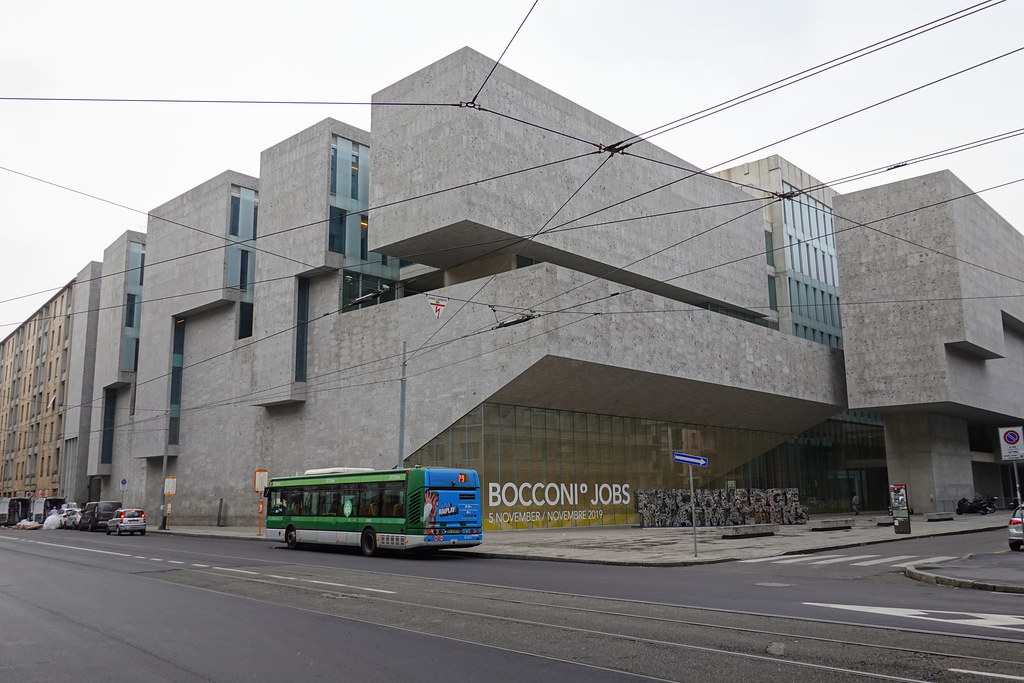
Over the past year, Bocconi University introduced a so-called "gender-neutral" bathroom. The news was shared with satisfaction on social media by Best Bocconi, an association dedicated to advocating for gender equality. Some students responded publicly to the news with objectively offensive and discriminatory remarks.

Following a report by the president of Best Bocconi, the university took disciplinary action against the authors of the comments, suspending them for 6 months.

The section of the press typically known for questioning minority gains—particularly gender-related ones—such as il Giornale, advanced the argument that the "religion of woke" had prevented students from expressing disagreement with the introduction of gender-neutral bathrooms.

The authors of the comments clearly violated the code of conduct that Bocconi requires students to sign. Each student must commit to aligning with the principles of inclusion championed by the university, not to mention that it is unacceptable for discrimination and hatred to be legitimised under the guise of an opinion.

In an inclusive society, racism, homophobia, transphobia and misogyny are not mere opinions, but legally relevant acts, sometimes constituting criminal offences, and as such should be prosecuted and punished.

Furthermore, a modest gain for a minority, such as "gender-neutral" bathrooms, must not become a pretext to portray that minority as causing the marginalisation of those who express disparagement or outright hatred.

Hatred that is sometimes disguised as teasing, student banter or bullying, claiming immunity from reprimand under the pretext of having exercised freedom of thought.

The sad reality is that transgender people face severe discrimination in accessing fundamental rights, such as healthcare.

The Italian National Institute of Health (ISS) describes the transgender population as marginalised within healthcare policy, leading it to launch—in collaboration with the National Anti-Racial Discrimination Office (UNAR)—the infotrans portal dedicated to the wellbeing and health of transgender people.

The road ahead towards full recognition of transgender people's rights in Italy remains long, but important steps have been taken, such as the position established by Constitutional Court Ruling 221 of 2015. The Court ruled that gender reassignment surgery is not always required to obtain legal gender recognition, as had previously been mandated by Law 164/82, which made the modification of primary sexual characteristics a prerequisite for a court order authorising gender rectification.

In this way, the foundations were laid for establishing the principle that the right to gender identity and gender transition cannot be conditional upon undergoing highly invasive medical treatment, which must take into account the individual's physical and psychological wellbeing and potential risks.

Bocconi University's initiative should serve as a trailblazer for similar measures that help advance transgender rights and further the commitment of universities and academia to building a more inclusive society that champions respect for human rights.

Article 4

Democratic Republic of the Congo: balancing the energy transition and human rights
"Ensure access to affordable, reliable, sustainable and modern energy for all" is Goal 7 of the UN 2030 Agenda for Sustainable Development. Today, the energy transition is the guiding light for achieving decarbonisation targets and protecting ecosystems.

In recent years, critical raw materials have taken on strategic importance, both within the ecological transition and from an economic standpoint. These materials are indeed crucial for various industrial sectors as they are used, for example, in manufacturing wind turbines, solar panels, and batteries for electric vehicles and smartphones. Cobalt, copper, nickel and lithium are among the key components needed to build these devices.

In 2011, the European Commission drew up the first list of 14 critical raw materials. The list was subsequently updated in 2020, expanding to 30.

This increase is driven by efforts to reduce greenhouse gas emissions and technological innovation, which have led to greater "resource intensiveness".

Reflecting the strategic importance of critical raw materials in national industrial policies, Italy, for instance, set up the National Board for Critical Raw Materials in 2022 to handle coordination, research and the promotion of these materials. Among its objectives is strengthening collaboration with the European Raw Materials Alliance, which ensures European-level coordination on information sharing, management and sustainable access to these supply sources.

While achieving the energy transition is the most urgent priority, governments, businesses, investors and consumers must also commit to a transition that does not compromise other essential imperatives: namely human rights and the environment.

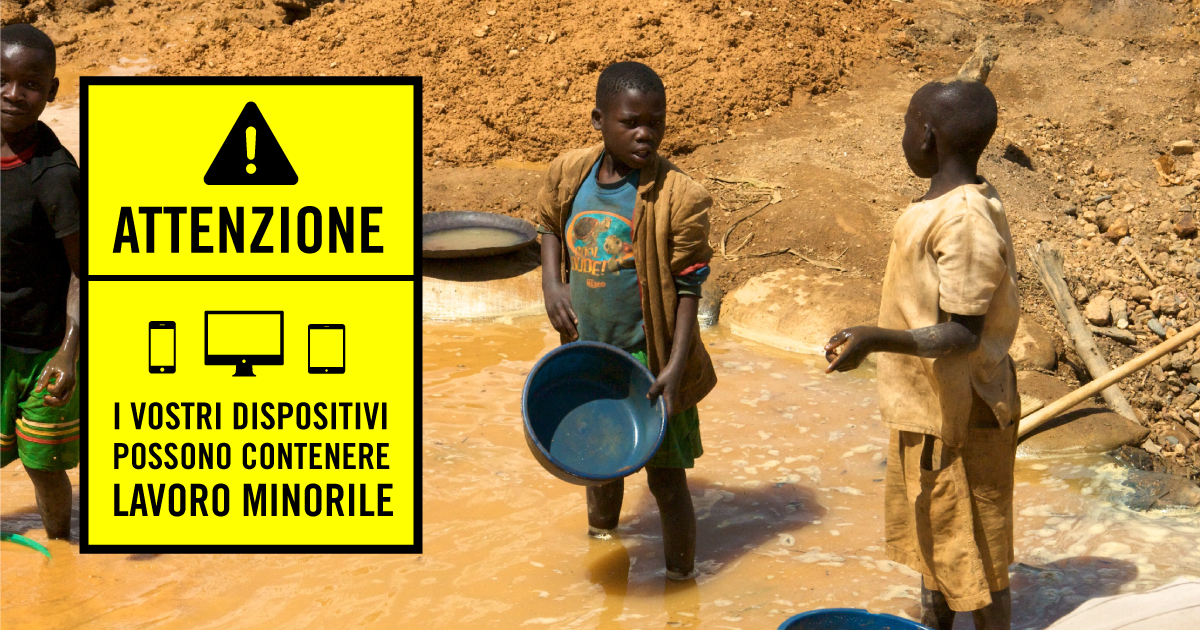
This is evident in the Democratic Republic of the Congo (DRC), one of the primary suppliers of copper and cobalt used in lithium-ion batteries. More than half of the world's cobalt supply originates in the DRC, and 20% of the cobalt currently exported is extracted by artisanal miners in the southern region of the country, accounting for nearly 150,000 workers. Among them are reportedly thousands of boys and girls working in the mines.

Twelve-hour working days, inadequate safety conditions, and youngsters subjected to carrying heavy loads. Immediate risks and long-term effects including bone and joint deformities, spinal injuries, and muscular and musculoskeletal damage. Exposure to harsh weather and extreme temperatures. This is the reality caught between the ecological transition and the absence of human rights.

While identifying alternative sources is a necessity prompted by an accelerating climate crisis, companies that source transition minerals bear the responsibility and duty to uphold rights.

In a letter addressed to President Félix-Antoine Tshisekedi Tshilombo, Amnesty International launched an appeal to bring an end to such exploitation.

By 2030, to meet industrial demand, the world will likely require twice as much nickel, eight times more manganese, and ten times more cobalt and lithium than is currently produced. Yet the world must also ensure the protection of the lives of those involved in this industrial and energy process.

If you wish to join Amnesty International's concrete efforts to halt mass evictions in the DRC's mining sector and implement laws protecting mining communities' rights, sign the appeal!

Contributors to this issue: Francesca Cocozza, Gabriele Leggeri, Giampiero Della, Giulia Solferino

This email was sent to {{contact.EMAIL}}

You received this because you are subscribed to our newsletter.
View original email version