Issue 14 of 24 · 15 December 2024

Diritti al punto - November 2024

Dear readers, the Antarctic Treaty, signed on 1 December 1959 in Washington, established the suspension of claims to Antarctic territory, a ban on...

Editorial

Editorial

the Antarctic Treaty, signed on 1 December 1959 in Washington, established the suspension of territorial claims in Antarctica, a ban on nuclear testing and radioactive waste disposal, as well as international cooperation in scientific research. In this issue, we explore the question of sovereignty over newly emerged land, the impacts of climate change on human rights, and the resulting responsibilities of States.

25 November, the International Day for the Elimination of Violence against Women, has recently passed. Femicide figures in Italy continue to rise, and the situation of women in several countries around the world, including Iran, remains grave. Amnesty International continues to monitor the situation closely and support protests under the rallying cry “Woman, Life, Freedom”.

The crisis in the Middle East shows no signs of abating. The plight of civilians in Gaza and Lebanon is growing ever more severe. This is compounded by the consequences of actions taken by the Israeli government, including the decision to ban UNRWA (the United Nations Relief and Works Agency for Palestine Refugees) from operating in Israeli territory. A law that, according to Amnesty, criminalises humanitarian aid.

If you enjoy our newsletter, please share it and invite anyone interested to subscribe by clicking on the link at the bottom of the page.

Article 1

From melting glaciers to the protection of the polar regions
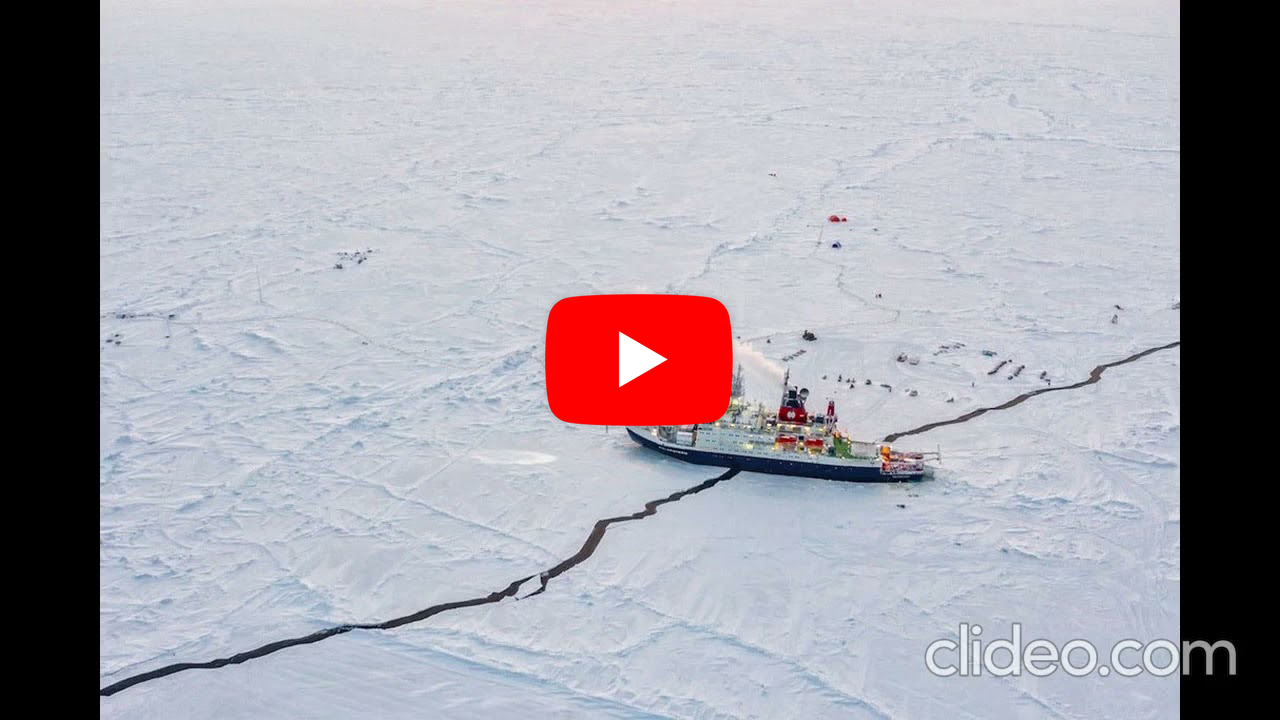
Global warming is causing radical changes across the glaciers of the Arctic and Antarctica, leading to the formation of new lands and seas. This evolution not only raises geographic and environmental questions, but also demands careful reflection on legal implications and human rights. Developing new legislation to manage sovereignty over these emerging areas is crucial, as is protecting the fundamental rights of communities affected by climate change.

The question of sovereignty over newly emerged lands is complex and rests on international treaties, such as the Antarctic Treaty and the United Nations Convention on the Law of the Sea. While these agreements establish that coastal states hold rights over specific maritime zones, they do not explicitly address emerging landmasses, leaving a legislative vacuum that could spark inter-State disputes.

To address these issues, clear legislation must be developed to define:

Climate change has a direct impact on human rights, particularly for vulnerable populations. Rising sea levels, more intense storms, and shifting climate patterns threaten the rights to life, health, safe drinking water, and a healthy environment. Indigenous communities in the Arctic, for instance, are facing existential threats linked to the loss of their traditional habitats.

In recent years, an increasing number of people have taken legal action against States and corporations for "climate failure". These cases, known as climate litigation, aim to ensure that governments uphold international climate commitments and protect human rights. A prominent example is the lawsuit brought against the Italian State by over 200 plaintiffs over insufficient action to reduce greenhouse gas emissions. This legal challenge highlights the direct link between ineffective climate policies and violations of fundamental rights.

Growing awareness of the link between the environment and human rights has spurred global initiatives to recognise environmental human rights. Several international courts have begun to treat climate change as a direct threat to fundamental rights. For instance, the German Federal Constitutional Court struck down a climate law deemed inadequate because it postponed emission reduction targets too far into the future, thereby compromising the freedoms of future generations.

To ensure that newly emerging lands are managed sustainably, implementing policies that safeguard both ecosystems and human rights is vital. This entails:

Global warming is not only reshaping the geography of the Arctic and Antarctica, but also raising intricate legal questions surrounding sovereignty over newly emerged lands and human rights protection. Establishing clear legislation to meet these challenges is essential, while ensuring the interests of directly affected communities are safeguarded. The growing practice of climate litigation marks an important step towards holding States and corporations accountable in the fight against climate change, highlighting the need for an integrated approach combining environmental justice and human rights.

Article 2

Women in Iran: towards Life and Freedom!
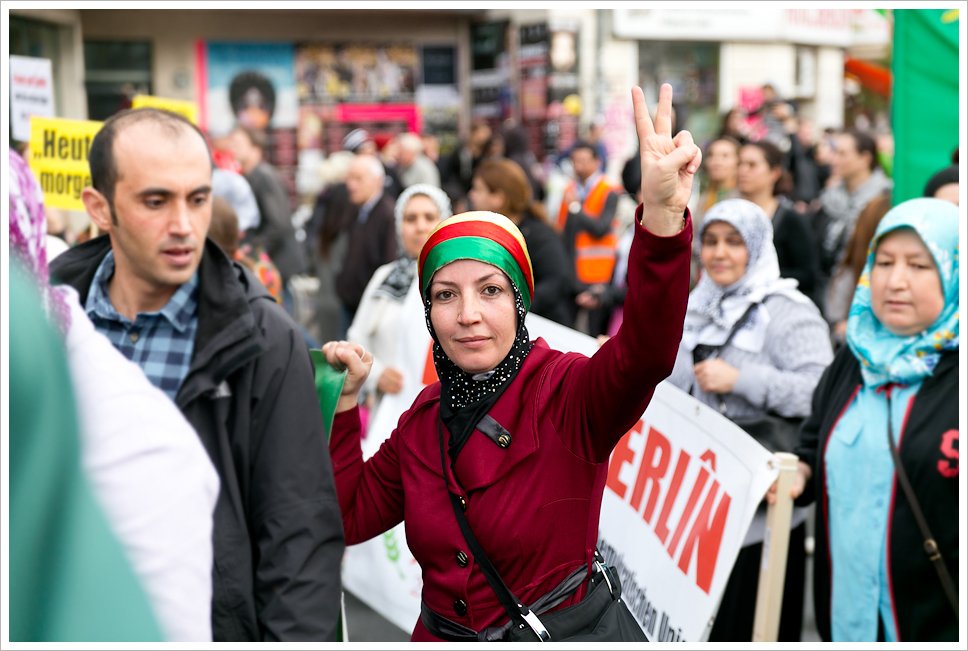
The progression of women’s rights throughout Iranian history has been complex, marked by a succession of political, social, and cultural events that have shaped the current, harrowing position of women in society. The rigidity of the Islamic State in Iran cannot simply be explained by the bond between Islamic religion and the law—common to other countries—but primarily by an authoritarian, patriarchal culture that has developed and entrenched itself over time.

Until 1979, Iranian women enjoyed full rights: they were free to work, wore Western clothing, and exercised the right to vote. With the 1979 revolution and the establishment of the Islamic Republic, a return to the "traditional" role of women in Iranian society was enforced.

Between 1997 and 2005, Ayatollah Khatami ushered in greater social and religious tolerance (including internet access!), but this chapter ended with the rise of conservative Mahmoud Ahmadinejad. Under his administration, rapid Islamisation completely eclipsed the role of women in society, enforcing the compulsory hijab and effectively dismantling female self-determination.

Today, the conditions faced by women in Iran remain among the most discriminatory in the world, and the furthest from democracy and respect for human rights. Women are subjected to systematic, institutionalised repression that denies them the most basic civil liberties and human rights. To police compliance with these strict state-imposed rules, a dedicated body exists: the morality police.

Following the "Woman, Life, Freedom" uprising triggered by the death of Mahsa Amini in September 2022, authorities have further curtailed rights to freedom of expression, association, and peaceful assembly, intensifying the crackdown on women defying compulsory veiling laws. Peaceful protests were crushed with indiscriminate force and mass arrests. Thousands of people have been subjected to interrogations, arbitrary detention, and groundless prosecutions simply for protesting peacefully.

As documented by Amnesty International, since January 2023 thousands of women have had their vehicles confiscated and have faced fines and mandatory attendance at "morality" classes: “The Iranian authorities are terrorising women and girls by subjecting them to constant surveillance and road policing, disrupting their daily lives and causing them immense mental distress. These draconian tactics range from mass impoundments of vehicles to checks, checkpoints, and the imposition of inhumane punishments such as floggings or prison terms,” stated Diana Eltahawy, Amnesty International’s Deputy Regional Director for the Middle East and North Africa.

Last November, we were deeply moved by the courageous protest of a young Iranian woman named Ahoo Daryaei, who had been harassed by the morality police for not wearing the hijab correctly. Arrested and transferred to a psychiatric hospital, she was later described by authorities as suffering from mental illness; they claimed no charges were brought against her because she was deemed "mentally ill" and was instead handed over to her family's care.

The regime has frequently labelled dissidents as "mentally ill". Sima Sabet, a UK-based Iranian journalist and survivor of an assassination attempt in 2022, described the situation as "shameful". According to Sabet, opening clinics to "treat" women who refuse to wear the hijab is an intimidation tactic designed to ostracise those who do not conform to the dominant ideology. In October 2022, Amnesty International and 42 other non-governmental organisations urged the UN Human Rights Council to convene a special session on the ongoing human rights crisis in Iran. In November 2022, in response to the crackdown on widespread "Woman Life Freedom" protests, the Council established the Independent International Fact-Finding Mission on the Islamic Republic of Iran. In March 2024, the Mission published its first report.

The report denounces repeated rights violations where women face institutionalised persecution that disregards even minimal legal safeguards. Violations and crimes committed by Iranian security forces during and after the protests include unlawful killings, unnecessary and disproportionate use of force, arbitrary deprivation of liberty, torture, enforced disappearances, executions, and sexual violence. The UN Fact-Finding Mission concluded that "acts committed by Iranian authorities constitute crimes against humanity committed as part of a widespread and systematic attack directed against the civilian population, in particular women, girls, and others who expressed support for human rights."

Activist Narges Mohammadi, 2023 Nobel Peace Prize laureate detained in Tehran's Evin prison, when asked last October: “How do you respond to those who say the Woman Life Freedom movement is over?”, replied: “The movement has not only fundamentally undermined the legitimacy of the regime, but it has also reinforced the foundations of democratic life in society. The Islamic Republic lacks the capacity to create a model compatible with any form of democracy. It is in direct conflict with human rights and women's rights. It does not represent Iranian society today on any level, not even a religious one.”

Many Iranian women continue to raise their voices, actively striving to reclaim their dignity and rights through advocacy, resistance, art, politics, and storytelling—working tirelessly to keep international attention focused and inspire future generations, despite censorship and communication barriers.

On the occasion of the International Day for the Elimination of Violence against Women, Alba Bonetti, President of Amnesty International Italy, stated:

“The cornerstone of patriarchy is the idea that a woman’s body remains permanently and unconditionally at the disposal of men, both materially and symbolically. A premise that feeds language, laws, and customs. Even today, in many countries around the world, men decide whether women can study, when and whom they must marry, and how they should dress. Even whether they are allowed to sing! Beatings, imprisonment, torture, and often death are the response reserved for those who resist.”

Iran: freedom for Narges Mohammadi – sign now!

Article 3

Israel's decision on UNRWA and the spiralling humanitarian crisis
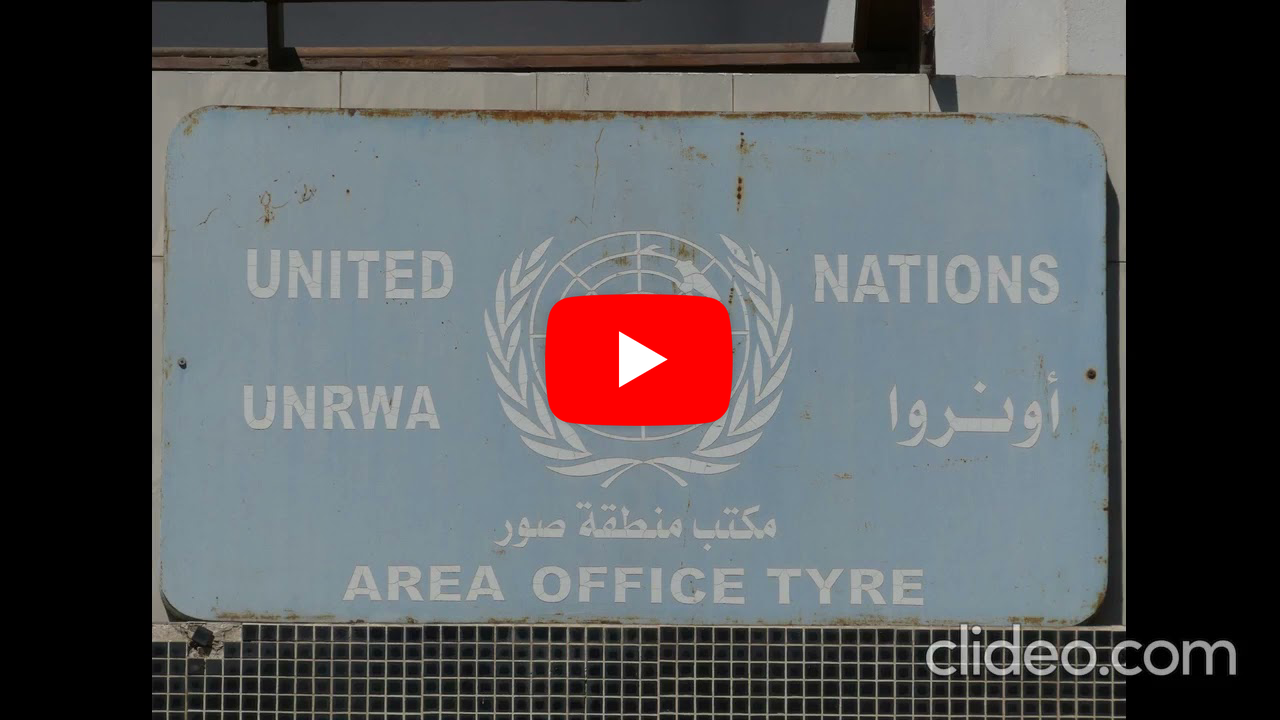
“This reckless legislation is a direct attack on the rights of Palestine refugees. It is explicitly designed to make it impossible for UNRWA to operate in the Occupied Palestinian Territory, forcing the closure of its headquarters in East Jerusalem and denying visas to its staff. This amounts to criminalising humanitarian aid and will exacerbate an already catastrophic humanitarian crisis.” This was the reaction of Amnesty International Secretary General Agnès Callamard in the wake of the decision taken by Israel regarding the United Nations Relief and Works Agency for Palestine Refugees in the Near East (UNRWA), the UN agency dedicated to Palestine refugees.

On 28 October, the Knesset, the Israeli parliament, passed two bills: one aimed at halting all UNRWA activities on Israeli territory, and the other prohibiting Israeli government agencies from any interaction with it. A severe blow to an agency that has long played—and even more so over the past 12 months—a central and indispensable role in providing food, water, medical care, education, and shelter to nearly two million Palestinians in the Gaza Strip.

Since 1949, UNRWA has supported relief and human development efforts for Palestine refugees. The agency is funded almost entirely by voluntary contributions from UN member states. In January 2024, nine States decided to suspend funding following allegations that several staff members had been involved in the 7 October Hamas attacks. By 31 January 2024, the suspension of funding had extended to a further 15 States, including Italy.

Nevertheless, almost all States that suspended their contributions have since reinstated them, with the exception of the United States, where funding remains frozen until at least March 2025.

A further shift in stance by the international community occurred following Israel’s decision on 28 October. The European Union urged Israeli authorities to ensure that UNRWA can continue its vital work in crisis areas in line with the mandate of the United Nations General Assembly. This was echoed by numerous statements expressing unanimous concern and condemnation over the passage of the legislation, notably from the United Kingdom, France, Belgium, Ireland, Norway, Slovenia, Spain, Denmark, Sweden, Portugal, and Germany.

Ultimately, Israel’s stance is contrary to international principles and contradicts the 26 January 2024 ruling of the International Court of Justice, which ordered six provisional measures for Israel, including the immediate and effective provision of humanitarian assistance to civilians across the Gaza Strip.

The unfolding theatre of war in the Gaza Strip represents an unprecedented human rights crisis, marked by death, the denial of aid, the threat of famine, and an acute shortage of basic necessities. Amnesty International calls for UNRWA to be permitted to continue its work, and urges Prime Minister Benjamin Netanyahu to bring an end to the rampant humanitarian crisis across the territory.

The states that decided to suspend funding to UNRWA

Sign Amnesty International's petition

Contributors to this issue: Francesca Cocozza, Gabriele Leggeri, Giulia Solferino, and Laura Guerri

This email was sent to {{contact.EMAIL}}

You received this because you are subscribed to our newsletter.
View original email version