Editorial
the concept of a truce has deep historical roots. It denotes the temporary suspension of hostilities, usually following an agreement between warring parties. In January 2025, after intense negotiations, the final details of a ceasefire agreement between Israel and Hamas were settled. A phased truce providing for the release of Israeli hostages in exchange for the freeing of Palestinian prisoners—an important, if fragile, step towards stability.
Since late January 2025, an intensification of guerrilla fighting and clashes has been recorded in the Democratic Republic of the Congo to the detriment of the civilian population besieged by the Rwanda-backed M23 armed group. The UN Humanitarian Coordinator in the DRC has drawn attention to the severe humanitarian crisis, particularly in Goma. Amnesty International continues to monitor the conflict and demand an end to actions by M23 and Rwanda.
Hussam Abu Safiya, a Palestinian paediatrician, is being held in Ofer prison in the occupied West Bank. In December 2024, Israeli forces raided Kamal Adwan Hospital, arbitrarily arresting the doctor. Initially, his whereabouts were unknown; only later, with news of his detention, did it emerge that Abu Safiya had suffered various forms of torture and abuse. Amnesty International has launched an urgent appeal calling for his release.
If you enjoy our newsletter, please share it and invite others to subscribe by clicking the link at the bottom of the page.
Reflections on the truce between Israel and Palestine
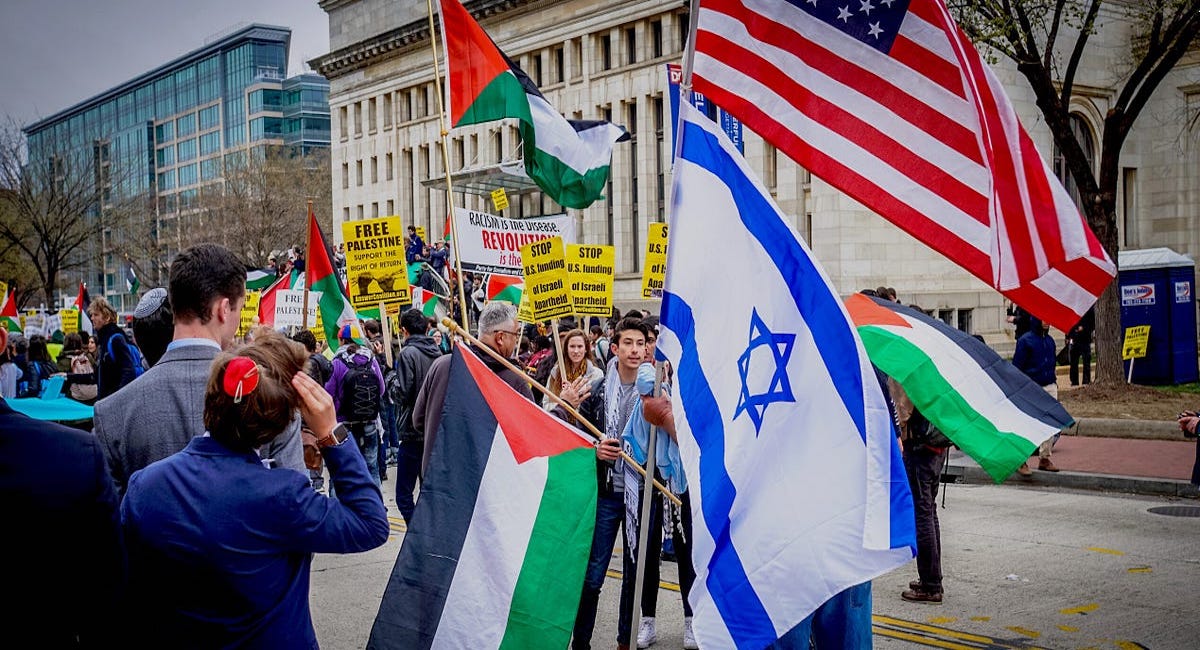
The term “truce” is defined as:
The definition refers to a temporary cessation of conflict, wherein each party involved agrees with the others to suspend all hostile actions.
The concept of a truce has deep roots in human history. As early as ancient Greece, there was ekecheiria, the Olympic truce, proclaimed during the Games to enforce the cessation of all public and private hostilities. For nearly 1,200 years, this truce succeeded in imposing a temporary lull in conflicts among Greek city-states, which were almost perpetually at war with one another. The humanist Grotius, in his 1625 work “De jure belli ac pacis”, explored the rational foundations of truces, highlighting how the realm of war is never total and that it is always possible to carve out “islands of agreement” amid belligerence. According to Grotius, truces imply recognising the other as a rational interlocutor capable of upholding agreements, and they should be interpreted as broadly as possible to prolong the period of peace.
In January 2025, after intense negotiations, the final details of a ceasefire agreement between Israel and Hamas were settled. Structured in three phases, this agreement represents an attempt to end a conflict that has caused numerous casualties and a severe humanitarian crisis in the Gaza Strip. The first phase, lasting six weeks, provides for the release of 33 Israeli hostages in exchange for hundreds of Palestinian prisoners, an increase in humanitarian aid, and the withdrawal of the Israeli military from densely populated areas. During this initial phase, negotiations are also due to begin to bring a definitive end to the war. The second phase of the agreement envisages the release of the remaining hostages and the complete withdrawal of the Israeli military, while the third phase focuses on the reconstruction of the Gaza Strip and the return of the remains of hostages who died in captivity.
The history of Israeli-Palestinian relations is marked by moments of hope followed by periods of intense conflict. A significant milestone was the signing of the Oslo Accords in 1993, when Israeli Prime Minister Yitzhak Rabin and Palestine Liberation Organisation leader Yasser Arafat shook hands on the White House lawn. For the first time, Israel recognised the PLO (Palestine Liberation Organisation) as having the right to govern certain occupied territories, while the PLO recognised Israel’s right to exist and pledged to renounce violence. Despite the signing of further agreements in 1995 (Oslo II), the peace process suffered a tragic setback with Rabin’s assassination by a religious extremist and the election the following year of Benjamin Netanyahu as Prime Minister, who had been a vocal critic of those accords.
The current truce represents an important, if fragile, step towards stability. As Grotius taught, truces have the potential to reveal combatants to one another as human beings rather than enemies, creating conditions for more constructive dialogue. However, opposition from extremist elements on both sides and the complexity of the situation on the ground, with multiple fronts open beyond Gaza, pose significant challenges to the implementation and maintenance of this agreement. A truce, by its very nature temporary, can only turn into something more lasting if accompanied by a genuine commitment to addressing the root causes of the conflict and building mutual trust between the parties.
The escalation in the Democratic Republic of the Congo
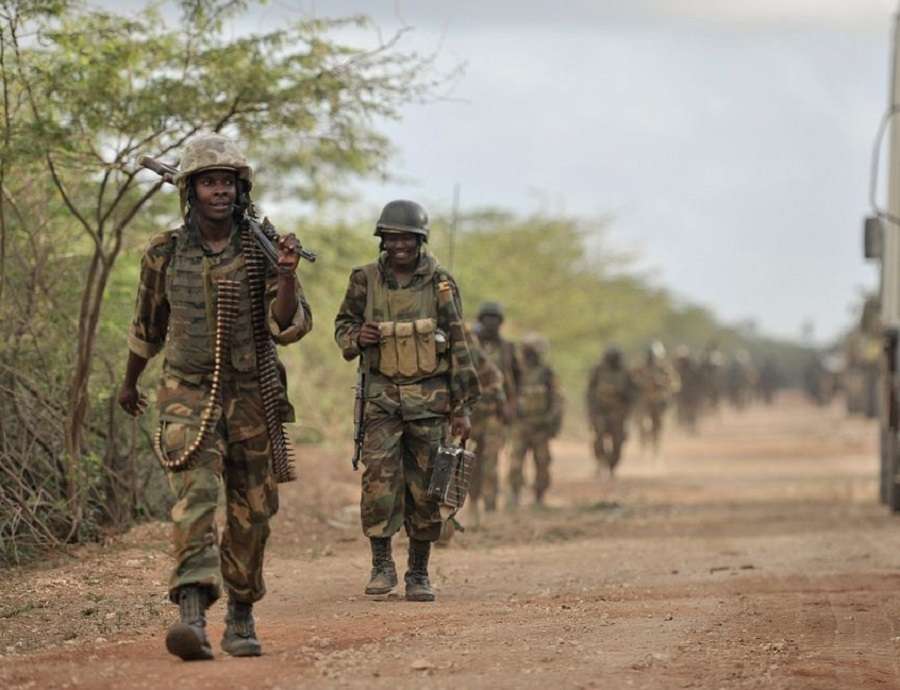
Hundreds dead, thousands injured, and hundreds of thousands displaced. A lack of drinking water and electricity, explosions, looting, and the use of wide-area weapons. This is the reality facing the Congolese population for decades, and even more acutely throughout the opening months of 2025.
Indeed, since 27 January 2025, the Democratic Republic of the Congo (DRC) has seen an escalation of guerrilla warfare and combat impacting the civilian population besieged by the Rwanda-backed M23 armed group, which over the past month has taken control of Goma and Bukavu, two major cities in the eastern regions around Lake Kivu.
The conflict in the Congo has its roots in 1996, with the onset of the “African wars” that saw direct conflict primarily between the Congo and Rwanda. Coltan, precious minerals, and the region’s natural wealth lie at the heart of the conflict’s true drivers.
The war continues, and following the peace accords signed on 23 March 2009 between President Joseph Kabila and the National Congress for the Defence of the People (CNDP), M23 was formed: an armed group of Congolese rebels whose stated aim was to defend the Tutsi minority. In 2012, the rebels began fighting both the Congolese regular army and MONUSCO, the UN mission established to maintain peace in the region.
M23’s attacks in recent months in the Congo, ostensibly rooted in the protection of the Tutsi minority, are widely reported to be backed by Rwanda, which has long viewed the DRC as an attractive area to conquer in order to exploit its valuable resources and raw materials.
Faced with this scenario, the international community has reacted. The UN Humanitarian Coordinator in the Democratic Republic of the Congo, Bruno Lemarquis, has highlighted the grave humanitarian crisis in Goma, pointing in particular to overwhelmed medical facilities unable to provide essential healthcare, as well as incidents of looting targeting infrastructure and warehouses containing staple goods and humanitarian aid intended for the population.
In mid-February, the European Parliament adopted a non-legislative resolution strongly condemning the occupation of Goma and other territories in eastern DRC by M23 rebels and the Rwandan Defence Forces, describing it as an unacceptable violation of the DRC's sovereignty and territorial integrity. Parliament also urged the Commission and the Council to immediately suspend the EU memorandum of understanding on sustainable raw materials value chains with Rwanda until the country ceases all interference in the DRC, including the export of minerals extracted from M23-controlled areas.
Amnesty International continues to monitor the conflict and demand an immediate halt to the occupation of the DRC by M23 and Rwanda. While this land is precious and rich in raw materials, the most precious asset on Congolese soil remains the right to life of all people affected by the fighting.
Gaza: Freedom for Dr Hussam Abu Safiya
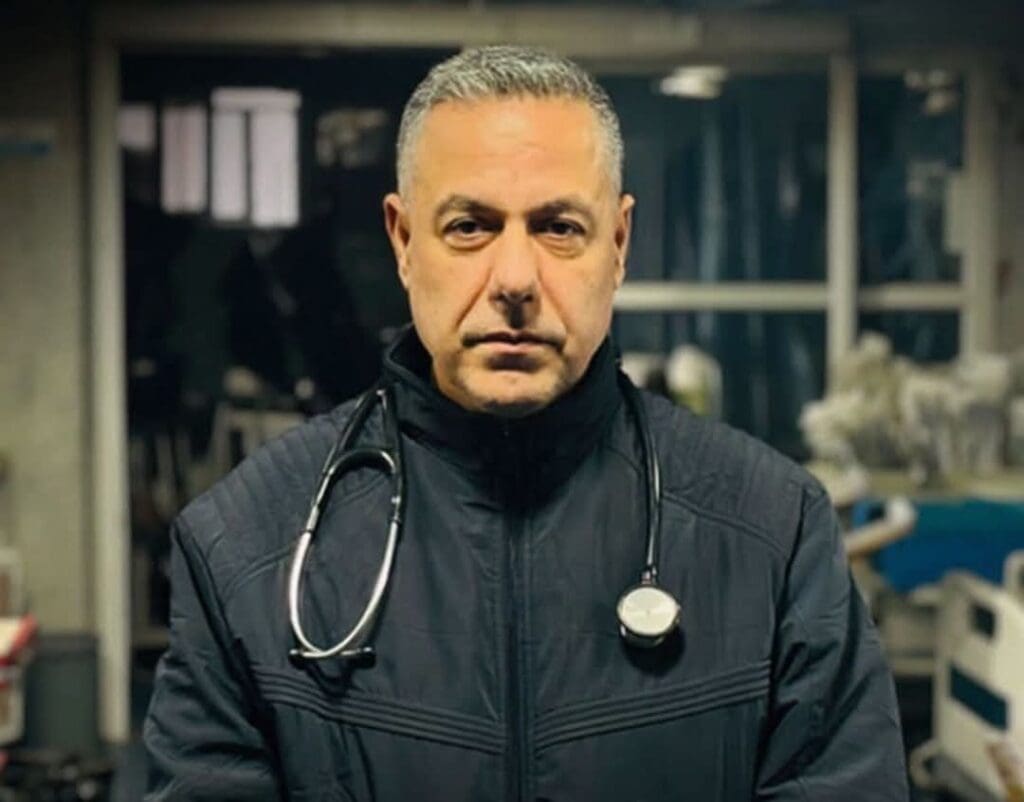
Hussam Abu Safiya is a Palestinian paediatrician and neonatologist born in the Jabalia refugee camp in the Gaza Strip. His family, originally from the Palestinian town of Hamama, was forced to flee during the 1948 Arab-Israeli war. After completing compulsory schooling, he moved to Kazakhstan to attend medical school, where he met and married Elbina, a Kazakh woman. In 1996, after graduating, the couple returned to Gaza and settled in Jabalia. Having specialised in paediatrics and neonatology, Abu Safiya earned a master's degree and passed the Palestinian Medical Council examinations. He began working as a physician for the Gaza Ministry of Health, later becoming head of the paediatrics department at Kamal Adwan Hospital in Beit Lahia, northern Gaza. In February 2024, he took over as hospital director, replacing Ahmed al-Kahlout. Alongside his managerial role, Abu Safiya also served as lead physician for MedGlobal in Gaza.
Following the outbreak of the conflict in the Gaza Strip in October 2023, Kamal Adwan Hospital was subjected to repeated sieges and attacks by the Israel Defense Forces (IDF). Despite shortages of supplies and power, Dr Abu Safiya managed to expand the hospital's capacity from 120 to 200 beds. Due to frequent bombardments and the hazards of travel, Abu Safiya and his family moved permanently inside the hospital. The IDF alleged that the hospital harboured Hamas members, and Abu Safiya was interrogated on multiple separate occasions.
On 27 December 2024, Israeli forces raided Kamal Adwan Hospital, arbitrarily detaining Abu Safiya alongside other healthcare personnel and patients. This raid led to the closure of the last major functioning hospital in the North Gaza governorate. Amnesty International expressed grave concern over Dr Abu Safiya's detention, highlighting the risk of torture and ill-treatment. Amnesty called on the Israeli authorities for the doctor's immediate release, stressing that his detention constitutes a violation of international law protecting medical personnel in conflict zones, and urged the international community and governments to intervene to ensure his safety and the respect of his rights.
For months prior to his arrest, Dr Hussam Abu Safiya reported to the world on events on the ground. Even after losing his 21-year-old son in a raid last October, he never stopped working or serving as a voice for the victims of Gaza. Like many healthcare workers before him, he was arrested while carrying out his duties as a doctor and caring for patients.
From the moment of his arrest, the doctor disappeared, with his place of detention unknown. Palestinians released from Ofer prison in the occupied West Bank later testified that the doctor was indeed being held there. It was there, on 11 February, that lawyer Mohammed Jabareen from the Palestinian organisation Al Mezan was finally able to visit him.
The physician is being held in administrative detention—without charge or trial—under Israeli laws that permit detention without formal charges. Following his arrest, he was transferred to Ofer prison, where he was placed in solitary confinement for 25 days until early February. During this period, he endured near-continuous interrogations over a ten-day span. Abu Safiya lost consciousness in his cell due to acute respiratory distress.
The doctor told lawyer Jabareen that he had been subjected to “various forms of torture and abuse”. Following his arrest, he was forcibly stripped, handcuffed, beaten with batons, and subjected to electric shocks; he lost 12 kilograms in just two months, underscoring the severe deterioration of his health.
Abu Safiya's detention constitutes an unequivocal violation of human rights and international humanitarian law principles safeguarding healthcare personnel in armed conflict. His situation continues to be monitored by Amnesty International, which demands his immediate release and full respect for the fundamental rights of medical personnel operating in conflict zones.
Sign the petition: Freedom for Dr Hussam Abu Safiya
Contributors to this issue: Francesca Cocozza, Gabriele Leggeri, Giulia Solferino, and Laura Guerri
This email was sent to {{contact.EMAIL}}
You have received this email because you are subscribed to our newsletter.

View original email version
Did someone send you this link? Get it every month
Subscribe to Diritti al Punto: the next issue straight to your inbox.
Check your inbox
We have sent you a confirmation link. Click the button in the email to complete your subscription. The link is valid for 7 days.
Can't see the email? Check your spam and promotions folders, or.